
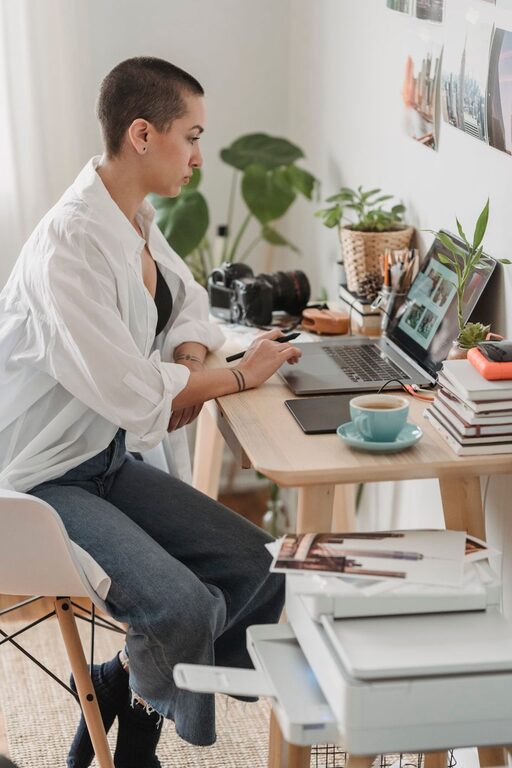
Creating a productive home workspace is essential for anyone working remotely or spending significant time on tasks at home. A well-organized and comfortable workspace helps you maintain focus, reduce distractions, and establish healthy work routines. Whether you have a dedicated room or a small corner in your living space, simple changes can make a big difference in your productivity. This guide shares helpful tips to create an effective home workspace suited to your needs.
Choose the Right Location
Selecting the right spot for your workspace is the first step toward productivity. Consider the following:
– Quiet and Low-Traffic Areas: Find a space away from noisy appliances, household activity, and distractions.
– Natural Light: Position your desk near a window to benefit from daylight, which can improve mood and energy.
– Ventilation: Good airflow helps keep you comfortable and alert during work hours.
Even a small nook or corner can work if it allows you to focus and separate work from leisure areas.
Invest in Ergonomic Furniture
Comfort is crucial during long working hours. Proper furniture reduces strain and helps you stay attentive.
– Ergonomic Chair: Choose a chair with adjustable height, lumbar support, and cushioning.
– Desk Height: Your desk should allow your arms to rest comfortably with elbows at about 90 degrees.
– Monitor Position: The top of your computer screen should be at eye level to prevent neck strain.
If budget is a concern, DIY adjustments like using cushions or books to raise your monitor can help.
Organize Your Workspace
Clutter can hinder focus and increase stress. Keep your workspace tidy with these ideas:
– Storage Solutions: Use shelves, drawers, or organizers to keep supplies and paperwork neatly stored.
– Minimalist Approach: Only keep essential items on your desk to avoid distractions.
– Cable Management: Use clips, ties, or boxes to keep cords and chargers untangled.
Set aside a few minutes at the end of each day to declutter your workspace.
Optimize Lighting
Proper lighting reduces eye strain and boosts concentration.
– Natural vs. Artificial Light: Use natural light whenever possible and complement it with soft, adjustable desk lamps.
– Avoid Glare: Position screens and light sources to prevent reflections.
– Warmth and Brightness: LEDs with adjustable brightness and color temperature help create a comfortable environment throughout the day.
Establish Boundaries
Working from home can blur the line between work and personal life. Set boundaries to maintain balance:
– Defined Work Hours: Set a schedule and stick to it as much as possible.
– Dedicated Workspace: Avoid working from beds or couches to separate work time from relaxation.
– Inform Household Members: Let others know your work hours to minimize interruptions.
Clear boundaries improve focus and help you switch off after the workday.
Use Technology Wisely
Technology is both a help and a distraction. Choose and manage your tools carefully:
– Reliable Internet Connection: A stable connection is essential for video calls and online work.
– Noise-Canceling Headphones: These help block out background noise during focused work or meetings.
– Productivity Apps: Use calendars, to-do lists, or time-management apps to keep yourself organized.
– Limit Distractions: Turn off non-essential notifications or use website blockers during work hours.
Personalize Your Space
Adding personal touches can motivate you and make your workspace inviting:
– Decorations: Include plants, artwork, or photos that inspire you.
– Comfort Items: Blankets or cushions can make long sessions more comfortable.
– Aromatherapy: Light scents like lavender or peppermint can promote relaxation or alertness.
Keep personalization tasteful and not overwhelming to maintain professionalism and focus.
Maintain a Healthy Routine
Your workspace supports productivity, but your habits are equally important:
– Take Regular Breaks: Use techniques like the Pomodoro method to work in focused bursts with short rests.
– Stay Hydrated and Nourished: Keep a water bottle handy and eat healthy snacks.
– Move Around: Stretch or walk briefly to avoid stiffness and refresh your mind.
Healthy routines complement your workspace setup for maximum productivity.
Final Thoughts
Designing a productive home workspace doesn’t require a complete makeover. Thoughtful choices in location, furniture, lighting, organization, and routines can transform your environment into a focused and comfortable place to work. Experiment with these tips, and adjust according to your preferences and work style. Over time, your personalized workspace will help you make the most of your time at home.