
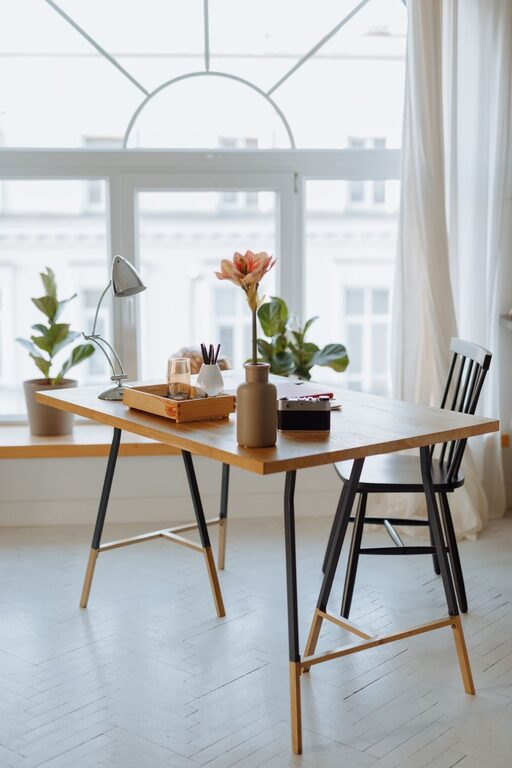
Creating a cozy and functional home office space is essential for anyone who spends a significant amount of time working from home. A well-designed home office can boost productivity, reduce stress, and make your daily tasks more enjoyable. Whether you have a small nook or an entire room dedicated to your work, these tips will help you transform your space into an inviting and practical environment.
1. Choose the Right Location
Selecting the right spot for your home office is the first step toward building a productive space. Ideally, pick a quiet area with minimal distractions. This could be a spare room, a corner in the living room, or even a section of your bedroom.
– Consider natural light: A room with plenty of natural light can improve your mood and focus.
– Think about privacy: If possible, choose a space where you won’t be interrupted by family members or roommates.
– Keep it close to essentials: Proximity to the kitchen or bathroom might be convenient but try to avoid noisy or high-traffic areas.
2. Invest in Comfortable and Ergonomic Furniture
Spending hours working at a desk means that comfort and ergonomics are key. Choose furniture that supports good posture and reduces strain.
– Desk: Opt for a desk with enough surface area for your computer, paperwork, and other essentials. Adjustable or standing desks can offer flexibility.
– Chair: Invest in an ergonomic chair with lumbar support, adjustable height, and comfortable cushioning.
– Accessories: Consider ergonomic accessories like a keyboard tray, monitor stands, or footrests to further improve comfort.
3. Optimize Lighting
Good lighting reduces eye strain and creates a pleasant ambiance.
– Use natural light whenever possible: Position your desk near a window but avoid glare on your screen.
– Layer lighting: Combine overhead lights with task lighting, such as a desk lamp, to provide focused light where you need it.
– Choose warm light bulbs: Warm or neutral white lights create a cozy atmosphere compared to harsh, cool white bulbs.
4. Organize Efficiently with Storage Solutions
A cluttered workspace can distract you and reduce efficiency. Organizing your supplies helps maintain a clear mind.
– Shelves and cabinets: Use shelves for books and storage bins. Cabinets can hide clutter out of sight.
– Desk organizers: Pen holders, trays, and file folders keep your desk tidy.
– Cable management: Use clips or cable sleeves to keep wires neat and prevent tangles.
5. Personalize Your Space for Comfort and Inspiration
Adding personal touches makes the workspace feel inviting and motivating.
– Decorate with plants: Indoor plants improve air quality and add a calming, natural element.
– Artwork and photos: Framed images or inspirational quotes can brighten your day.
– Comfort items: A cozy throw blanket, cushions, or a soft rug can make the area more welcoming.
6. Minimize Noise and Distractions
Maintaining focus is easier when distractions are limited.
– Use noise-canceling headphones: These can block out background noise for better concentration.
– Add sound-absorbing materials: Rugs, curtains, and fabric panels help reduce echo.
– Set boundaries: Communicate your working hours and space boundaries with household members.
7. Incorporate Technology Thoughtfully
Your workspace should be equipped with the technology you need, without making it cluttered or overwhelming.
– Reliable internet: Ensure your Wi-Fi connection is fast and stable.
– Quality equipment: Invest in a good monitor, keyboard, and mouse to reduce fatigue.
– Printer and scanner: If your work requires it, keep these nearby but out of the way.
– Charging stations: Set up a convenient spot for charging devices to avoid tangled cords.
8. Keep the Space Flexible
Sometimes you need to switch tasks or change your work style during the day.
– Multiple work zones: If space allows, create a space for computer work and another for writing or reading.
– Movable furniture: Consider a rolling chair or portable desk to adjust your layout.
– Standing options: A sit-stand desk or a high table can help break up long periods of sitting.
9. Establish a Routine and Keep Your Space Clean
A tidy office helps maintain a productive atmosphere.
– Daily tidying: Spend a few minutes at the end of each day clearing your desk and organizing supplies.
– Weekly deep clean: Dust surfaces, vacuum, and refresh the room regularly.
– Routine habits: Set up habits that encourage you to keep your office organized and inviting.
—
Building a home office space that is both cozy and efficient takes a bit of planning, but the benefits are well worth it. With the right environment, furniture, lighting, and organization, you’ll create a space that supports your work and feels like a comfortable retreat. Remember, your home office should reflect your needs and personality, making it a place where you enjoy spending time.