
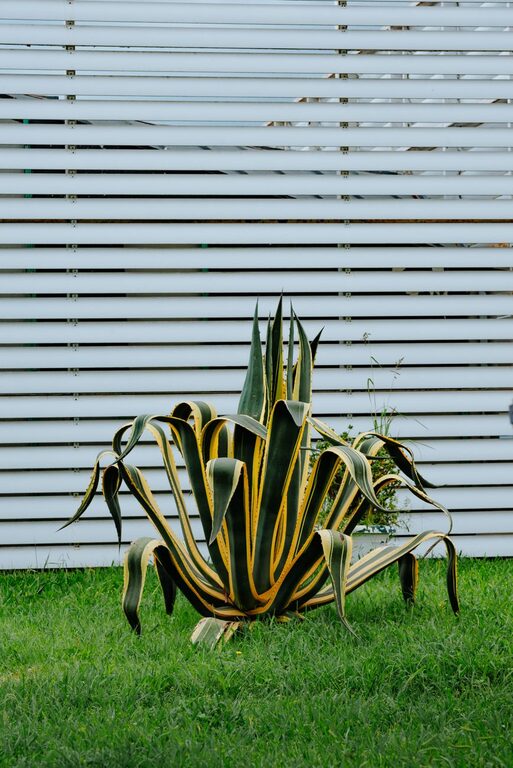
Creating a beautiful garden that requires little upkeep is a goal for many homeowners. Whether you’re new to gardening or simply want to save time, focusing on low-maintenance plants and smart design choices can help you achieve a lovely outdoor space without constant work. This guide shares expert tips on planning, planting, and caring for a garden that looks great year-round with minimal effort.
Why Choose a Low-Maintenance Garden?
A low-maintenance garden suits busy lifestyles and those who want to enjoy nature without the stress of constant upkeep. These gardens often use hardy plants that adapt well to your local climate, reducing the need for watering, pruning, and pest control. In addition to saving time, a well-designed garden can boost your home’s curb appeal and create a relaxing retreat.
Planning Your Garden for Success
Assess Your Space and Climate
Start by evaluating the size of your garden, the amount of sunlight each area receives, and your local weather conditions. Knowing your environment helps you select plants that will thrive with little intervention.
Sketch a Simple Layout
Draw a rough plan of your garden including paths, planting beds, and seating areas. Grouping plants with similar needs together makes maintenance easier. Including mulch beds and defined zones for flowers, shrubs, and vegetables helps keep everything organized.
Choose Durable Hardscaping Features
Incorporate elements like stone pathways, gravel beds, or raised garden beds. These reduce areas prone to weed growth and minimize the space requiring watering or mowing.
Selecting Plants for Low Maintenance and Beauty
Opt for Native and Drought-Tolerant Plants
Native plants are adapted to local soils and weather, meaning they often need less water and fertilizer. Drought-tolerant species are especially useful if you want to reduce watering. Examples of easy-care plants include lavender, sedum, and ornamental grasses.
Use Perennials Over Annuals
Perennials return year after year, saving you the work of replanting. They also typically develop strong root systems that help retain soil moisture.
Incorporate Evergreen Shrubs and Groundcovers
Evergreens provide consistent color and structure throughout the year, while groundcovers fill in soil, suppress weeds, and reduce the need for lawn mowing.
Watering Smartly
Install a Drip Irrigation System
Drip irrigation delivers water directly to the roots, minimizing waste and preventing overwatering. This system can often be set on a timer, saving you effort and ensuring plants get the right amount of moisture.
Mulch Generously
A thick layer of mulch around plants helps retain soil moisture, regulate temperature, and prevent weeds. Organic mulches like bark or wood chips also improve soil quality as they decompose.
Keep Weeds and Pests in Check
Use Landscape Fabric Under Mulch
Placing landscape fabric beneath mulch can block weed growth without hindering water or air flow to plant roots.
Select Pest-Resistant Plants
Certain plants naturally repel pests or are less attractive to them. Herbs like rosemary or marigolds can deter common garden insects, reducing the need for chemical treatments.
Simplify Garden Maintenance Tasks
Prune Selectively
Only prune plants when necessary to remove dead or overgrown branches. This keeps plants healthy and attractive without demanding constant attention.
Limit Lawn Areas
Lawns require regular mowing, watering, and fertilizing. Consider reducing lawn size or replacing parts with low-maintenance groundcovers or decorative gravel.
Use Containers for Flexibility
Container gardening lets you concentrate plants in small areas and easily swap them out if they need extra care or better conditions.
Seasonal Tips to Minimize Work
– Spring: Apply mulch, divide perennials if needed, and check irrigation systems.
– Summer: Water deeply but less frequently, remove spent flowers to encourage more blooms.
– Fall: Rake leaves for compost, plant bulbs for next spring, and protect sensitive plants.
– Winter: Clean garden tools, plan for next year, and prune dormant shrubs carefully.
Creating Enjoyment with Minimal Effort
Remember that your garden is a space for relaxation and enjoyment. Incorporate comfortable seating areas and pathways to encourage spending time outside. Adding features like solar lights or bird feeders can enhance the experience without extra work.
—
By investing some thoughtful planning and selecting the right plants and materials, a beautiful low-maintenance garden is entirely achievable. This approach not only saves you time and effort but also helps create a sustainable and inviting outdoor space you can appreciate year-round. Happy gardening!