
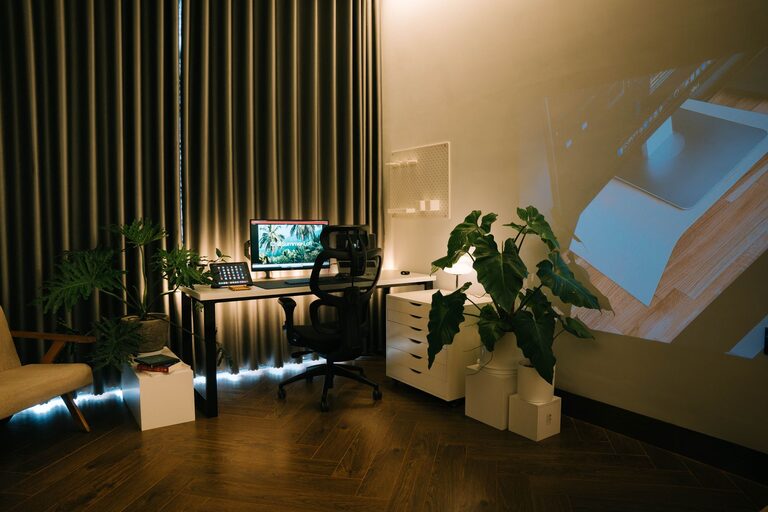
Creating a home office that feels both cozy and productive can greatly improve your work-from-home experience. Whether you’re new to remote work or looking to upgrade your current setup, a well-designed workspace helps you stay focused, comfortable, and motivated. In this post, we’ll explore practical tips to transform your space into an inviting and efficient home office.
Choose the Right Space
The foundation of an effective home office starts with selecting the best location in your home. Ideally, pick a spot that is quiet, well-lit, and free from distractions.
– Separate from high-traffic areas: To stay focused, it’s helpful to have a dedicated area away from busy rooms like the kitchen or living room.
– Consider natural light: Position your desk near a window if possible. Natural light improves mood and reduces eye strain.
– Think about privacy: If you share your home, opt for a space where interruptions are minimal.
Invest in Comfortable Furniture
Your furniture choices can make or break your workday comfort. Here’s what to keep in mind:
– Ergonomic chair: A supportive chair with adjustable height and lumbar support helps prevent back and neck pain.
– Desk height: Your desk should allow your arms to rest comfortably at a 90-degree angle while typing.
– Standing desk option: Consider a sit-stand desk to reduce sedentary time and increase energy.
Optimize Lighting
Good lighting reduces eye strain and keeps you alert.
– Use layered lighting: Combine natural light with overhead fixtures and task lighting, like a desk lamp.
– Avoid glare: Position screens perpendicular to windows to prevent reflections.
– Choose the right bulbs: Soft white or daylight LED bulbs are gentle on your eyes.
Keep Your Workspace Organized
An orderly workspace promotes productivity and reduces stress.
– Declutter regularly: Clear your desk at the end of each day.
– Use storage solutions: Shelves, drawers, and organizers keep supplies within reach but out of the way.
– Cable management: Use clips or sleeves to tidy up cords and avoid tangled messes.
Personalize Without Overcrowding
Adding personal touches can make your office feel welcoming, but balance is key.
– Add plants: Small indoor plants improve air quality and add a pop of color.
– Include artwork: Choose inspiring or calming images that motivate you.
– Limit distractions: Avoid overly busy decorations that can steal your attention.
Control Noise Levels
Background noise can disrupt concentration.
– Use noise-canceling headphones: Great for blocking out household sounds.
– Play soft background music: Some people find that gentle instrumental music helps focus.
– Add soundproofing: Rugs, curtains, or acoustic panels can dampen noise.
Establish a Routine
Your environment supports productivity best when paired with habits.
– Set standard work hours: Create boundaries to balance work and life.
– Take breaks away from your desk: Short walks or stretching refresh your mind.
– Keep hydration and snacks nearby: Staying nourished helps maintain energy.
Incorporate Technology Wisely
Technology should enhance, not hinder, your flow.
– Reliable internet: Ensure a strong and stable connection.
– Use dual monitors: If your work involves multitasking, two screens can boost efficiency.
– Cable organization tools: Keep tech cables neat to prevent clutter.
Maintain Air Quality and Temperature
Comfort affects concentration and well-being.
– Ventilate regularly: Open a window if possible to bring in fresh air.
– Add air purifiers: Helps reduce allergens and dust.
– Adjust temperature: Keep your space cool or warm according to your preference.
—
Designing a cozy and productive home office takes a bit of planning and personalization. By focusing on comfort, organization, lighting, and minimizing distractions, you can create an environment where you look forward to working each day. Remember, a well-thought-out space supports not just productivity but also your overall well-being. Happy decorating!